Heavy Equipment Attachments for Excavators, Loaders, and Forklifts
Pangu Machine supplies heavy equipment attachments for your excavators, loaders, and forklifts. We design and manufacture thick and thin plate components, including customized attachments tailored to your machines and operating conditions. Our integrated capabilities in cutting, machining, welding, and painting support coordinated production for bulk orders, while ISO 9001 quality management helps keep quality processes consistent across your supply program. Share your machine models and attachment requirements, and our team will help you match the right attachments to your fleet.
What Types of Attachments Do We Supply?
Special Attachments
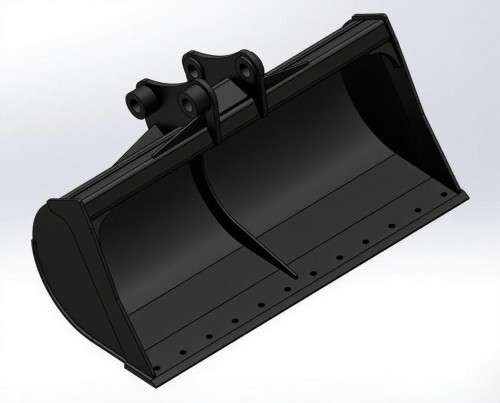
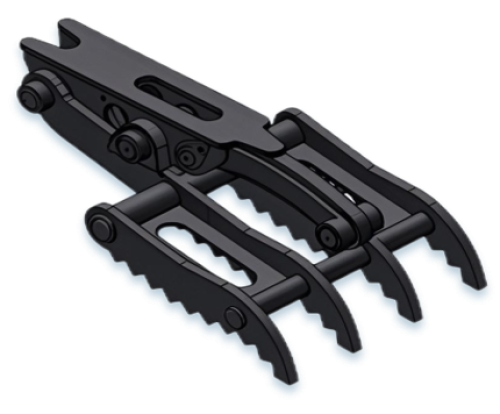
When standard attachments cannot meet a job’s demands, special attachments fill the gap. Our lineup includes breaking hammers, ditch-clearing buckets, and thumb clamp attachments. Bulk buyers can choose attachments suited to specific applications, so fleets handle varied tasks without relying on a one-size-fits-all solution. Browse our full range of special attachments.
Agricultural Machinery Attachments
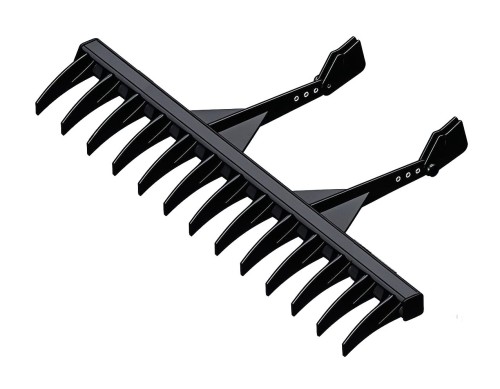
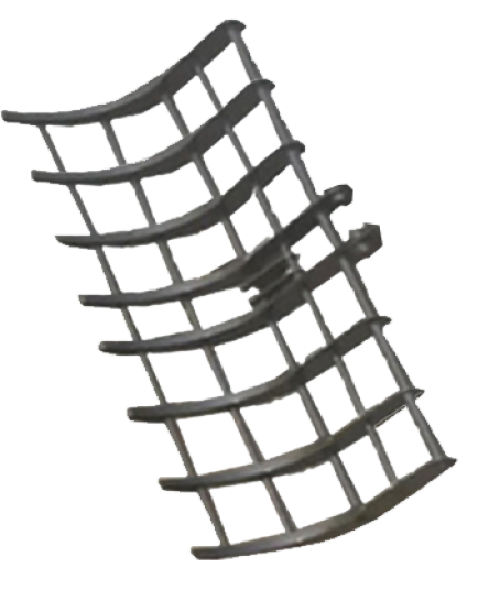
Farm work requires attachments built around the crops, machinery, and working conditions on each farm. We offer farm-specific attachments like cotton harvesting clamps and rakes that are built to withstand intensive use. We also have custom designs and sizes that help buyers match attachments to their machinery and operation. These attachments are simple and have durable designs, so farm machines remain operational without needing expensive maintenance through demanding seasons. Explore our agricultural machinery attachments.
Forklift Attachments
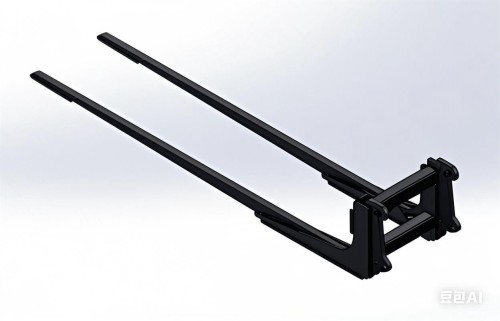
We have a range of forklift attachments that support different material-handling tasks, from pallet forks and fork frames to bale clamps and combi forks. This gives buyers more choice for their existing machines. Solid attachment material construction helps these tools withstand regular use. We also have a range of multipurpose options that serve diverse project requirements. For bulk orders, selecting compatible types and configurations helps standardize equipment across sites and simplify sourcing. View all our forklift attachments for bulk orders.
How to Check an Attachment Fits Your Machine
- Confirm the machine make and model: Check the manufacturer’s specifications and operating capacity before selecting an attachment.
- Match the connection type: Verify the coupler, mounting points, pin diameter, and pin spacing are compatible.
- Check hydraulic requirements: For powered attachments, compare the machine’s flow rate, pressure, and hydraulic connections with the attachment’s requirements.
- Review capacity and weight: Make sure the attachment’s weight and rated capacity match the machine without exceeding its limits.
- Consider the application: Match the attachment design to the material, worksite conditions, and the kind of tasks it will handle.
- Share details before ordering: Provide your machine model, measurements, and intended use to your supplier to confirm fit, especially for customized or bulk orders.
Why Source Attachments from Pangu Machine?
Sourcing attachments for different machines means that the attachments should match the machinery specifications as well as quality expectations. Pangu Machine brings design and manufacturing together to make bulk procurement simpler and deliver bulk attachment orders of uniform quality. Here's why you should choose us:
- Engineered around your requirements: Our team draws on industrial design, structural engineering, and materials science expertise to develop attachments for specific machines and operating conditions. This helps buyers avoid relying on a one-size-fits-all solution.
- Manufactured through coordinated processes: Our capabilities include cutting, machining, welding, and painting. Managing these processes within one operation helps simplify sourcing and supports consistent production across larger orders.
- Quality managed systematically: We operate under an ISO 9001 quality management system. With strict quality protocols, bulk buyers get attachments made according to a structured approach to quality management during production.
- Built on international experience: We serve customers across North America, Brazil, Europe, Central Asia, Africa, Vietnam, and other markets, bringing experience with varied buyer requirements.
From specifications to production, we work with buyers to match attachments to their machines and applications. We support practical procurement that keeps projects running through reliable supply and long-term value.
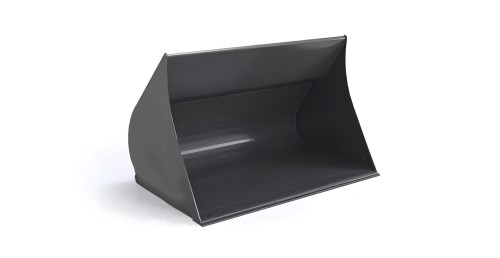
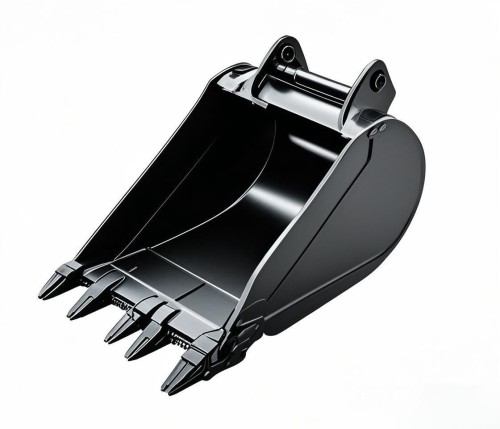
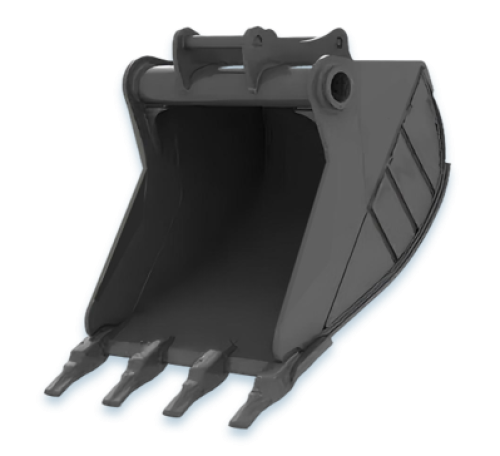
Need buckets as well? Explore our loader and excavator buckets for heavy-duty digging and loading.
Request a Quote
Speed up your project pace by outfitting your machines with quality attachments. With custom orders, you can get application-specific attachments that really help enhance the operational efficiency of your machinery fleet. Get in touch with our team for a custom quote for bulk attachments today.
Frequently Asked Questions
What are the most common attachments for excavators and loaders?
The most common attachments are buckets, breaking hammers, thumb clamps, and rakes, and you can find them all in our full product range. They cover the basic tasks like digging, breaking, grabbing, and clearing.
Can the same attachment be used on an excavator and a wheel loader?
Usually not. Excavators and loaders have different mounting systems and hydraulic setups. So, most attachments are designed for one or the other.
How do I know if an attachment fits my machine?
Check the following features for fitment requirements: coupler type, hydraulic flow, and weight capacity against your machine’s specs. Share your machine models, and we will confirm the right attachment for each.
What is the difference between a thumb and a grapple?
A thumb works with the bucket to pinch and hold material, while a grapple is a standalone attachment with jaws that grab and move loads more flexibly.
What size hydraulic breaker do I need for my excavator?
Match the breaker to your excavator’s operating weight and hydraulic output. Too small won’t be effective; too large can damage the machine.